Big Screen Tea BlogStans, Fandoms, and the Comment-Section Economy
Watch any major celebrity story unfold and you will notice something strange: the story is only half the show. The other half is happening underneath it, in the replies, the quote-posts, the fan edits, and the comment sections — a roaring second performance that can amplify a moment, bury it, or become bigger than the moment itself. Welcome to the comment-section economy, where fandom is not just an audience. It is infrastructure.
If you only watch the clip, you miss half of every story. Again and again, the fan reaction is not a footnote to the news. It is a plot point — sometimes it is the plot.
Fan Armies Are Distribution Now
A generation ago, a celebrity story traveled through magazines and entertainment shows. Today it travels through organized fandoms. Dedicated fan accounts clip, caption, translate, and repost moments within minutes, pushing them to audiences larger than many media outlets command. When a pop star drops a surprise performance clip or a rapper teases new music on a livestream, it is the fandom's distribution network — not a press release — that decides how far it goes in the first hour.
This gives fan armies real power, and they know it. Coordinated streaming efforts, trending campaigns, and mass pre-saves are simply the positive side of the same machinery that can flood a critic's mentions or ratio a brand's apology post into oblivion. The machinery is neutral. The direction it points is a choice the fandom makes collectively, in public, in real time — and watching that choice get made is a show in itself.
The Comments Are the Second Show
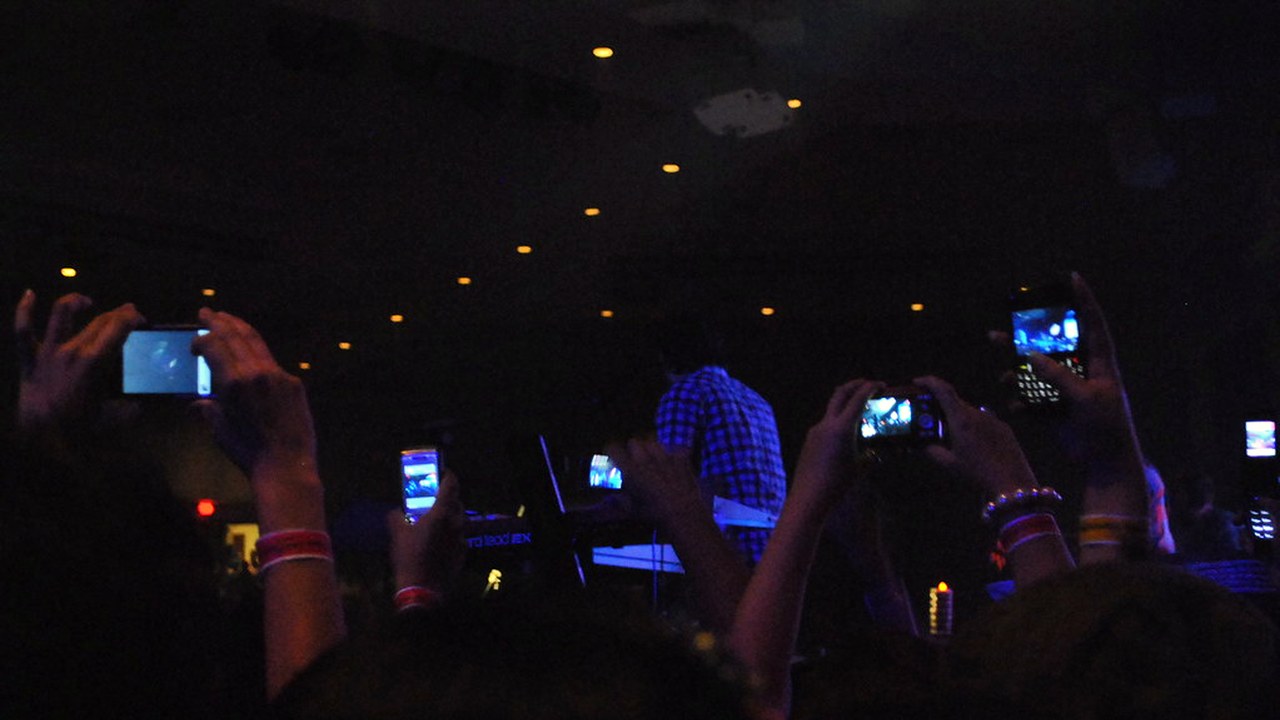
Every regular viewer knows the ritual: watch the video, then immediately scroll. The top comments function like a Greek chorus — summarizing the consensus, landing the joke everyone was thinking, or surfacing the one detail nobody else caught. A pinned comment from the star can steer the entire conversation. A single reply from the celebrity themselves can restart the news cycle for another day.
And the second show talks back to the first one. A lukewarm response lets a controversy die by Friday. A furious one forces statements, edits, and follow-up videos. One person's drama becomes another person's storyline the moment the comments connect them — a shared ex, a shared label, a shared enemy — and suddenly two separate fan wars are one thread. The comment section is not reacting to the economy of attention. It is the economy, settling its prices in public.
When the Fandom Becomes the Story
The turn in many modern stories is that the fandom's behavior becomes the headline. A fan war between two rival bases can trend higher than the music that started it. A coordinated defense can make a minor rumor look enormous simply by volume. And a fandom turning on its own favorite — the rare, dramatic unfollowing wave — signals a shift that no statement can spin away.
Reading these moments takes a cool head. Volume is not the same as majority; the loudest accounts are not always the most representative, and a screenshot of an angry comment is a claim that needs a date and a source like any other. A thousand accounts shouting an allegation does not make it true — it makes it loud. The viewers who keep that straight get to enjoy the second show without being swept up by it.
Loyalty, Identity, and the Stakes Fans Feel
It is easy to mock stan culture from the outside, but that misses why it is powerful. For many fans, a favorite artist's music soundtracked real years of their lives. Defending that artist feels, emotionally, like defending their own memories. Understanding that does not require agreeing with every pile-on — it requires recognizing that celebrity drama is never just about celebrities. It is about the communities that have organized themselves around them.
That is the economy humming underneath every big story: artists release moments, fandoms move them, comments price them, and the reaction becomes tomorrow's headline. Watch the clip, yes. But always scroll — carefully, skeptically, and with the order of events in hand — because the second show is where the story finishes being written.