Big Screen Tea BlogThe Apology Video Is a Genre Now — Here's Its Formula
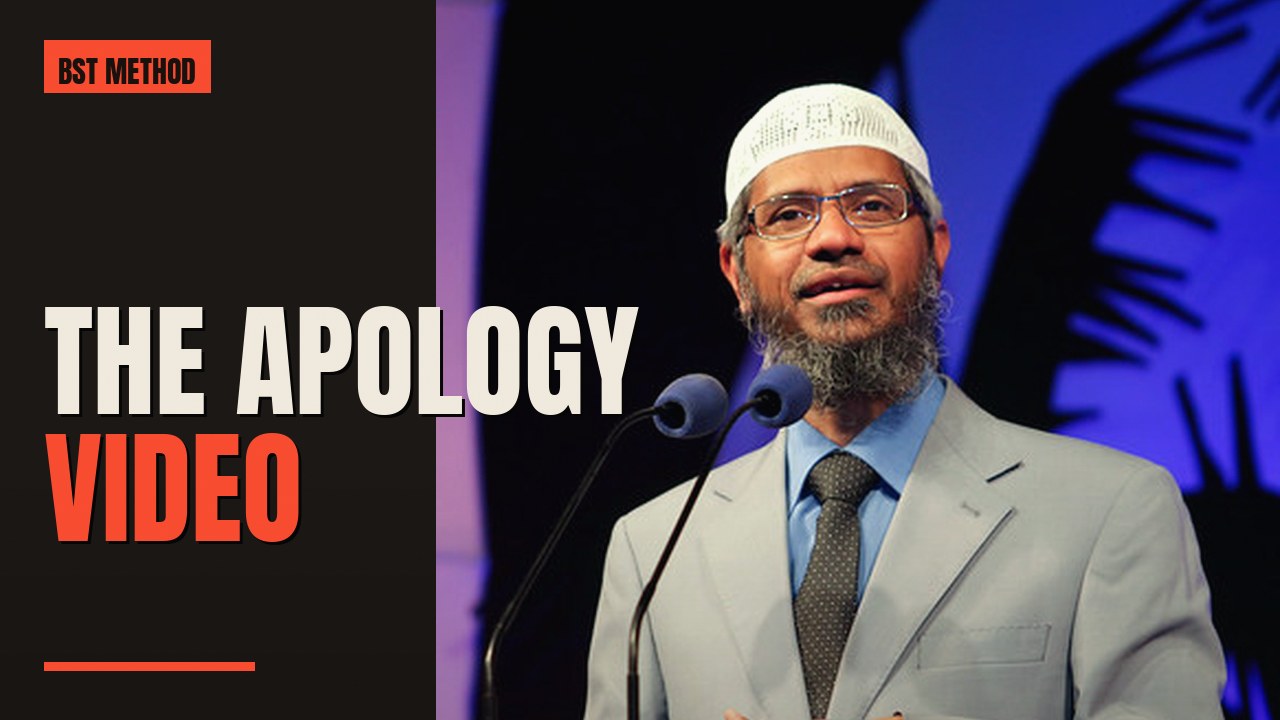
Every genre has conventions. Horror has the final girl. Action has the ticking clock. And celebrity drama, in the social media era, has the apology video — a format so familiar that audiences can recite its beats before the video even starts. When a public figure lands in controversy, the response is no longer just a response. It is a performance in a genre everybody knows, and the internet grades it like one.
That is what makes these moments so fascinating to watch closely. Slow the apology down, lay it next to what was actually alleged, and the formula appears. The same structure, again and again, whether the person on camera is a rapper, a pop star, an influencer, or an athlete.
Act One: The Notes-App Screenshot
The genre usually opens in writing. A screenshot from a phone's notes app — plain background, unpolished font, sometimes visibly typed in a hurry — signals immediacy. The aesthetic is the message: this was not run through a committee, the screenshot seems to say, even when everyone suspects it was. Notes-app statements tend to be short, heavy on feelings, and light on specifics. They acknowledge that something happened without fully defining what that something was.
Audiences have learned to read these screenshots the way film fans read trailers. Is anyone actually named? Is a specific action owned, or is the language floating somewhere around it — "if anyone was hurt," "to those who felt affected"? Compare the statement, word by word, against what was reported and what the receipts actually show, and the gaps start to glow. In apology stories, the gaps are where the story lives.

Act Two: The Sit-Down Video
If the screenshot does not settle things, the sit-down video follows. The conventions are remarkably consistent: minimal makeup or none, a plain background, direct eye contact with the lens, a deep breath before the first sentence. The setting performs sincerity. A casual room says this is personal; a bare wall says there is nowhere to hide.
The script, across countless examples, follows a recognizable arc. First, the pause — "I've been taking time to reflect." Then the acknowledgment, the context, the growth, and finally the promise. Experienced viewers listen for the order of those elements. Context that arrives before accountability reads as excuse-making, no matter how it was intended. Accountability that names the behavior plainly, without qualifiers, is the moment comment sections tend to soften. The genre has trained its audience to be editors — and editors are hard to fool twice.
Act Three: The Comeback Arc
Every apology in this genre is really a first chapter. What follows is the comeback arc: a quiet period, a charitable appearance or a reflective interview, then a return to work framed as healing. None of this is necessarily cynical — people do reflect, and careers do recover — but the pattern is so consistent that audiences now watch the arc itself as content. The break, the return post, the first performance back: each one is an episode in a story the audience is following on purpose.
And the audience measures every step against the apology's own promises. That is the thread that runs through the whole genre: an apology is a public commitment, and the comeback is where the receipts on that commitment start coming due.

How Audiences Grade Sincerity
Here is the turn hiding inside the genre: the audience is no longer grading whether an apology happened. They are grading its construction. Specificity scores points. Speed matters, but rushed and vague scores worse than slower and precise. Consistency matters most of all — does the follow-up behavior match the video? The comment section keeps receipts for months, and a comeback that contradicts the apology reopens the whole file.
That is why an apology deserves to be watched carefully, not just felt. Lay the timeline beside it and the formula becomes visible — and once you can see the formula, you can judge the substance underneath it for yourself. That, more than any single controversy, is the skill this genre is teaching a generation of viewers: how to tell the difference between being sorry, and saying so beautifully.